

Talking About Love, Part II: Love and Power
How “Moderates” (Like Me) Can Redeem Their Sins


Read Talking About Love, Part I
Why is it easier to talk about hate than love? My answer, based on nearly 40 years as a woman operating in mostly male circles, the sister of two brothers and the mother of two sons, is that talking about love is weak.
For many men, the experience of middle school, the introduction to the “real world” of power, hierarchy, and bullying, leads to the adoption of a hard, cynical outer shell. For many women, who have been encouraged to imitate men to gain equal footing, it is even worse. Love is so often looked down upon as an emotion – that marshy, mushy ground that includes crying at work and being “soft” on everything from firing people to national security.
It is fine to talk about private love; love of family is a staple across the political spectrum and really a requirement for politicians. It is also fine to talk about love of God and love of country. But public love? Love of one’s fellow human beings? That is for preachers, not public leaders.
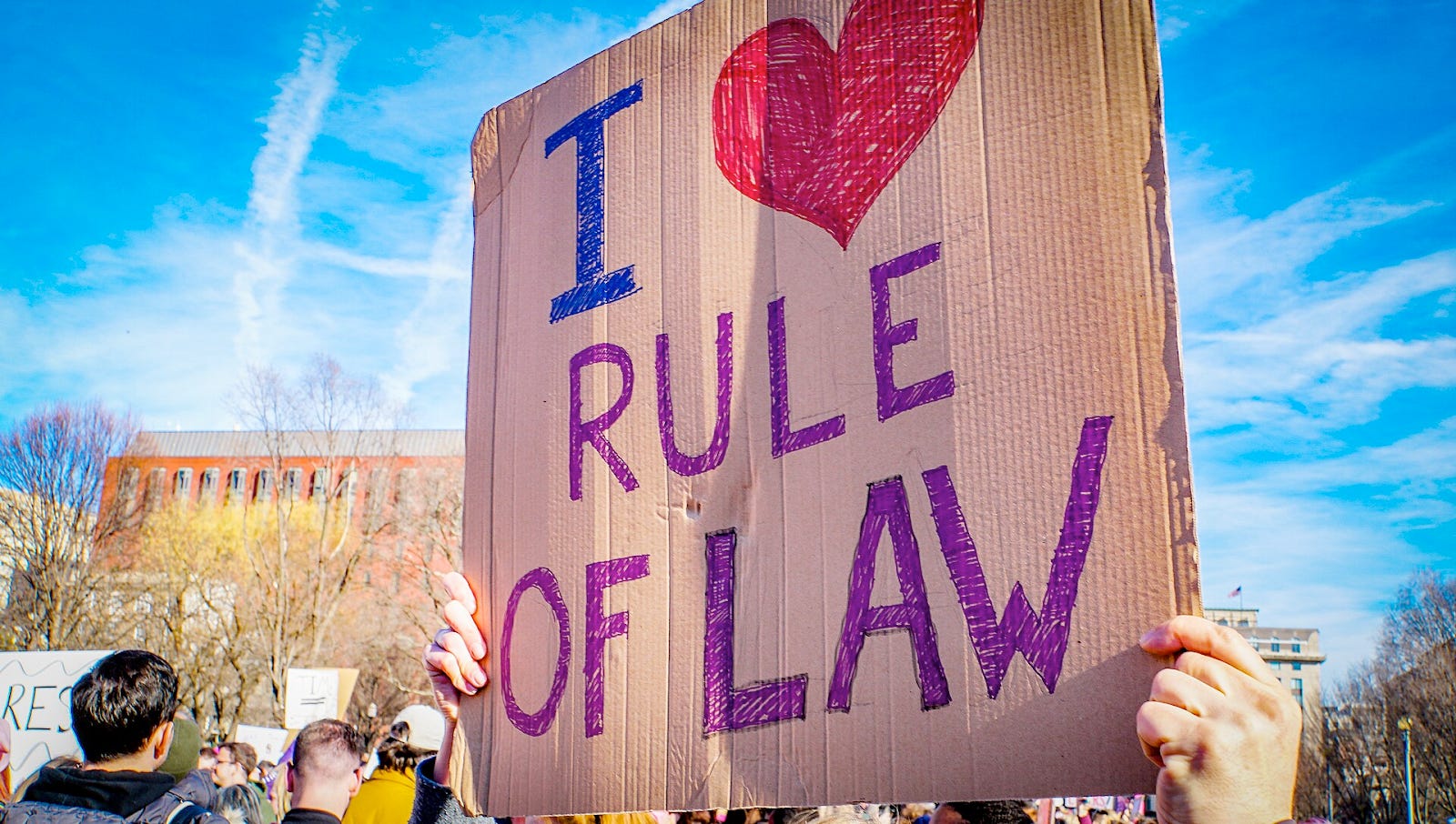
Martin Luther King Jr. was both. And he did talk about love, a lot. He published a collection of his sermons in 1963 under the title Strength to Love. He understood love as less an emotion than a moral force, one that requires enormous courage to wield. It can take as much fortitude to protest without weapons while facing armed opponents as it does to go into battle fully armed. Moral force is just that: a force, a kind of power. It is love and power combined. As King put it, “Power without love is reckless and abusive, and love without power is sentimental and anemic.”
.jpg)
Here we come to George Packer, David Brooks, and the theologian Reinhold Niebuhr.
Last week, David Brooks wrote a column headlined “The Sins of the Moderates,” which has gotten a lot of attention. He starts by describing a new novel, The Emergency, written by writer and social commentator George Packer (his first foray into fiction). It offers a parable of our own times, describing the destruction of the “moderate center” by extreme partisans on both sides.
Brooks takes the novel as a jumping-off point to examine his own role as a moderate in the present national emergency. He defines moderates as “classical liberals of left, right, and center,” who believe in “codes of civility. . .respect for truth, norms of self-restraint, a commitment to dialogue and faith in institutions.” If this is the definition of a moderate, then I must count myself one, although I prefer to think of myself as part of the radical center -- as someone who seeks sweeping change of U.S. political, economic, and social systems but who is also willing to reach out across much of the political spectrum and abhors the politics of division.
In Brooks’ account, moderates insist on the essential goodness of people, even in the face of manifest evil. We are, in Niebuhr’s famous dichotomy, the “children of light,” who seek to do battle with the “children of darkness” but are often too naïve to appreciate the full scope of the threat.
Our “sins,” as Brooks defines them, are that when the extremes have thrown off restraints and embraced a world of pure power, we cannot (or will not) see reality clearly enough to forsake some of our principles and fight. We must recognize that in a world in which the powerful are openly abusing their power, “trust and civility are for saps.” We must become “immoderate,” passionate and fervent enough to do battle for a “newer and better system of order and restraints.”
Yes, but with what? We are not in power. We can protest all we want; our protests will be weaponized against us by a government and a media system that peddles an alternate reality. As Danielle wrote in her column last week, resistance will not win. We need a loyal opposition, one that can oppose a corrupt, authoritarian, cruel and untrustworthy government with a realistic alternative vision of radical change.
Yet how to create, to build, that power? I propose we start with King’s version of love, a moral force that creates its own power and is also clear-eyed about the need to wield it to uphold and protect the values that belief in our common humanity demands. That is how I read Danielle when she argues that “from love of humankind comes love of freedom – for freedom shared is what protects us all, not just me but you, too.”
We have to move beyond talk. Love in practice, love with power, means finding ways to stand together with those “on the other side,” those you are supposed to (or in fact) hate. It means learning both to “disagree better,” as Utah Governor Spencer Cox urges, and to find and celebrate areas of agreement and publicly work together to build on them. It means opening up to a spiritual revival on many fronts.
Step one is to find the courage and the strength to talk about love, in public. If we do not dare talk about it, in the face of growing hate, we cannot find the ways to act on it.