

Schools as Laboratories of Democracy
Imagining leadership of students, by students, for students

Democratic participation isn’t something we know in isolation, it’s something we do. And to be prepared to do it well, students need to practice. What better place to practice than at their own school?
You may be familiar already with the Educating for American Democracy (EAD) Roadmap, a set of guidelines created by more than 300 educators and scholars across the ideological spectrum and geographical span of the United States, and published in 2021. (If you’re not, check it out! Or read about the Civic Learning Week workshop about it, or sign up for a course about it in April!)
That Roadmap also comes with a Pedagogy Companion full of advice for teachers who want to better help students develop the skills, knowledge, and agency they need to participate in a constitutional democracy. Because it’s not just a matter of what we teach – it’s how we teach.
Among the six core pedagogical principles in the companion is Principle 5, “Practice of Constitutional Democracy and Student Agency.” In EAD classrooms, students should “learn how to exercise and understand civil rights and responsibilities to address issues that are pertinent to their communities,” connecting what they’re learning to the real world.
Schools and districts can provide important opportunities for democratic practice. Some students may participate in student government. Student newspapers can be a venue for students to make their voices heard and cultivate research and communication skills. Schools can bring in community leaders and elected officials to speak with students, to humanize the people so often distorted in traditional and social media and to shine a spotlight on local levels of government.
But the Roadmap also proposes ways to take democratic practice in schools to a higher level, by using democratic governance as a means of decision-making within a classroom or school. Imagine: school leadership of the students, by the students, for the students. Students can work together to create class compacts or community agreements, setting ground rules for how they engage with each other. Some schools have student voice committees, student advisory councils, student seats on the school board, or participatory budgeting processes. When students practice making decisions together on behalf of their community, they’re building the civic skills and dispositions they’ll need as adults.
Listening Schools: An Apprenticeship in Citizenship
Last month, I met an educator who’s facilitating this kind of work. She’s working to train students to reflect on and communicate about the kind of learning community they want. And more important, she’s ensuring that teachers and administrators will actually listen when students make their voices heard.
Jennifer Chace, PhD is an assistant director at the Center for Education Policy, Applied Research, and Evaluation at the University of Southern Maine, where she also earned her doctorate in public policy, with a background as a Waldorf school administrator. In 2020, she heard from teachers who were alarmed at the isolation their students (and they themselves) were experiencing as a result of pandemic lockdowns. That’s when she and three of her colleagues founded The Source School, a nonprofit that works with schools to reimagine and transform school climate using systems change frameworks from Theory U.
In 2021, Jennifer was working with a superintendent on school policy changes who said the students in her district didn’t trust school leaders enough to participate in a dialogue at all. Jennifer suggested training the students themselves to collect data and facilitate focus groups, and to present their findings to teachers and administrators. The superintendent promised to listen to what the students had to say. The result became Jennifer’s dissertation study and the “We Listen” program, which expanded into the Listening Schools Network as more schools and districts asked to participate.
Jennifer facilitated group discussions with students as a neutral observer. At the first meeting at another school, the students held the floor, sometimes reluctantly.
I asked if they were interested in doing a project similar to the one we’d been working on at Mrs. Harris’s school. Silence. Then, eventually, “Why would we try? Nothing will ever change around here. Nothing we say matters.”
Over a series of sessions, the students reflected on their feelings of agency (and, mostly, the lack thereof), their values, their goals for improving school climate, and the activities that could help them do it. They did this collaboratively through a structured, deliberative process, and practiced presenting their concerns and plans to adults.
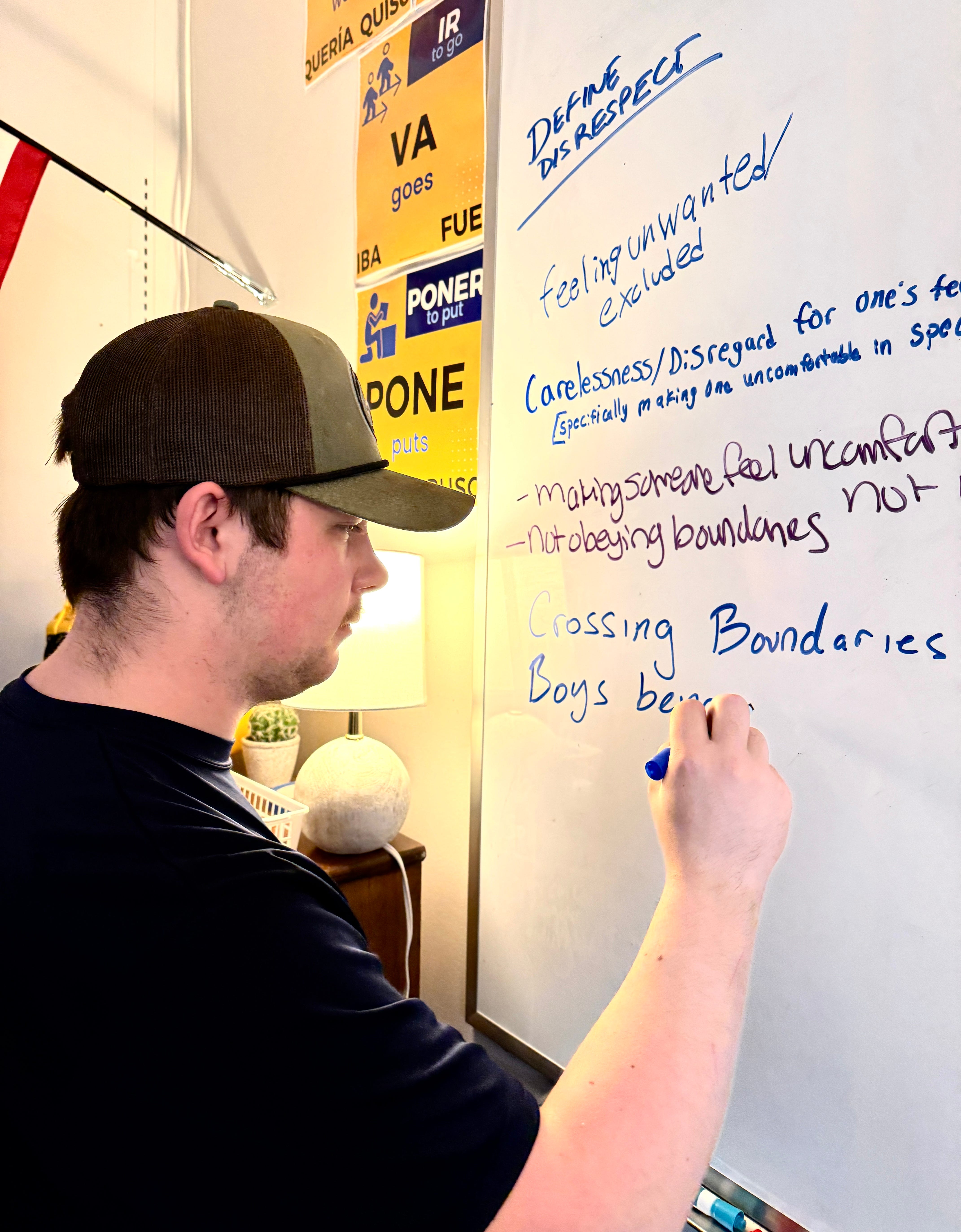
Listening Schools have made use of a tool called Cortico, designed by a team at the MIT Center for Constructive Communication. Cortico generates transcripts from dialogue circles and assists students in exploring important themes and turning their conversations into impactful shared stories. Then, when students speak to decision makers about school policies, they can ground their presentations in data, and listen with an open mind to how adults’ perspectives add to this broader picture.
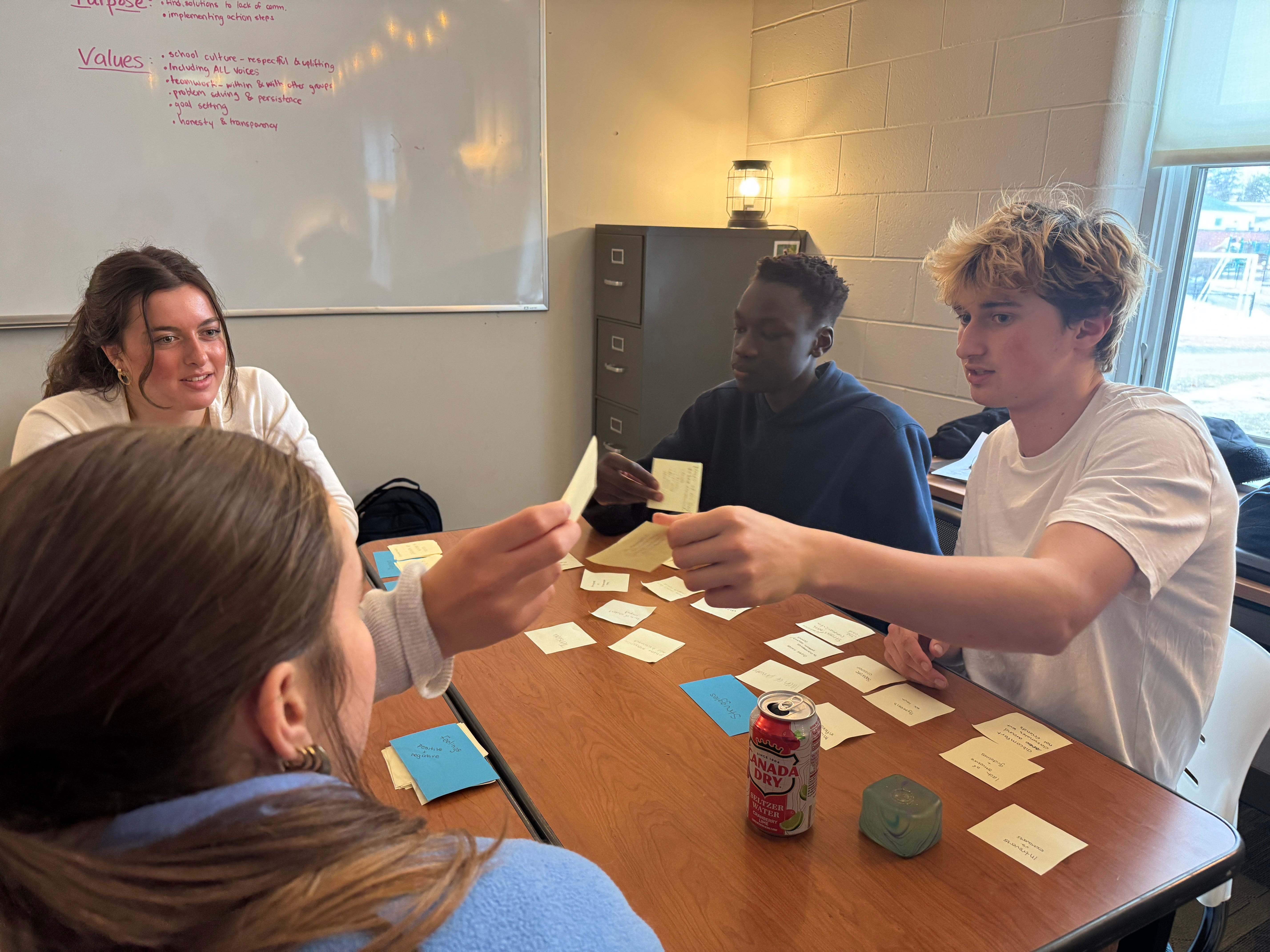
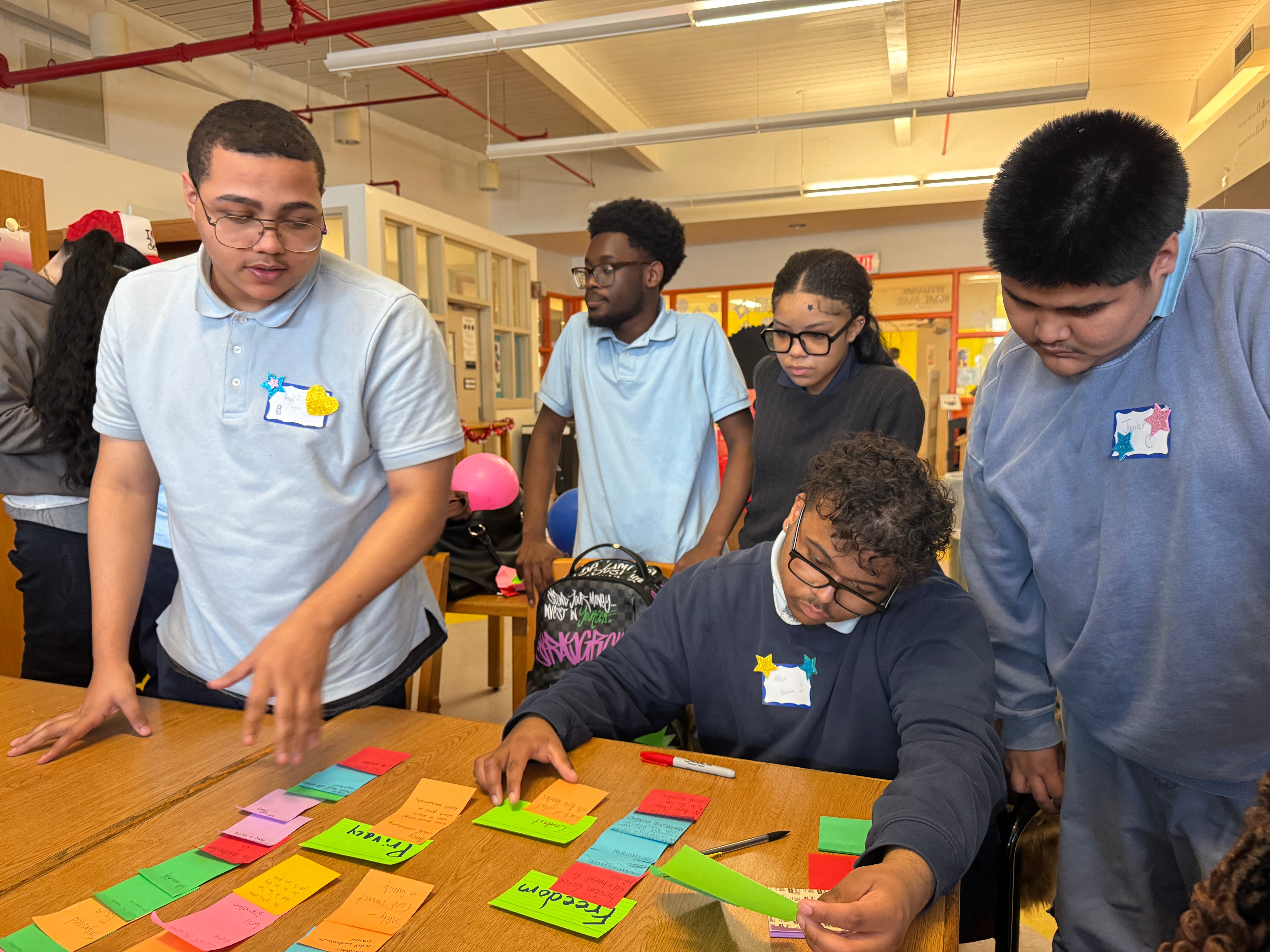
This is a powerful process, but it’s not one-and-done. Listening School administrators work to build sustainable infrastructure for the students to keep talking, and for leaders to take in their contributions and make changes. They change school procedures and policies to incorporate more student input. And as the process unfolds, bonds of trust and empathy start to get stronger among students, teachers, and administrators, as each group begins to believe that the others really are listening and appreciate what they have to say.
Cortico is also built into the University of Southern Maine’s Maine Education 2050 project, inviting students, parents, educators, and community members to imagine the future of education in the state. This year, working with Partners in Democracy, they’ll be facilitating a Citizens’ Assembly on Educational Priorities.
Mainers, Jennifer points out, are proud inheritors of New England’s tradition of town hall meetings and local civic participation. “They’re used to just relying on that one same guy who’s been running the coastal waters commission for 15 years, but at the same time, they know very well that their leaders are aging. When I tell them that they need to prepare young people to succeed them, they get it. I talk about ‘community sustainability’ instead of ‘democracy,’ but they want to be a part of it.” Community members can and should get in touch with school staff to learn about what they’re doing (without pre-judging or hostility!) and to find out how they can support it, Jennifer advises. “Schools aren’t just a thing we fund for people who have kids – the school is a part of the community, serving the future of the whole community,” she maintains.
Since Maine’s schools have a lot of local control over their curriculum, Jennifer adds, “One of my goals is to work with policymakers and the Superintendents’ Association to have a process for engaging students in school decision-making processes as a component of civics curriculum. We’re not going to teach them civics and never ask them what they think in the first institution they enter!”
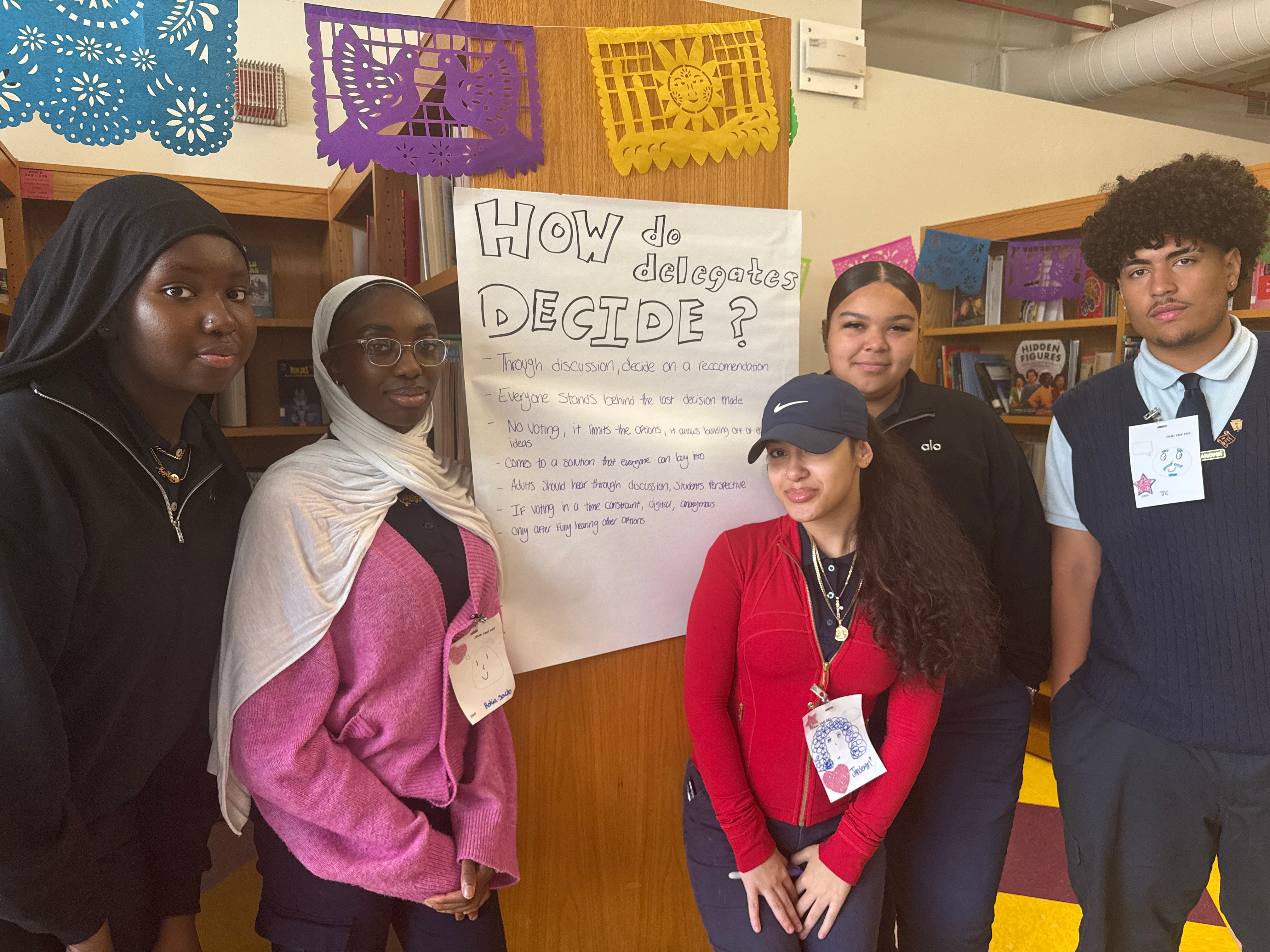
Jennifer likes to think of the Listening Schools framework as helping to turn high school into “an apprenticeship in citizenship.” Students are seeking out others’ perspectives, collaborating to solve shared problems, working with institutional leaders, and accepting that change takes time and patient strategy. “They’re building the civic muscle of imagining a future, and imagining themselves as creating that future.”
What is your state or school district doing to support civic learning, including the skills of deliberation and consensus-building? How do you see schools serving the future of your community?
What would you change, or what would you have tried to change, in your school?
What an excellent project. Thanks for sharing and helping to remind me that learning and listening are interweaved.
Really fantastic (and serendipitous) that this was published the very same day we release our interview with two wonderful young people who had taken part in citizens' assemblies in their communities. https://demnext.substack.com/p/children-and-young-peoples-assemblies
So great to read this, thank you for sharing!