

Bread, Butter, and Ballot Lines: How States Are Rewriting the Rules - Democracy in the States Roundup
Democracy in the States' weekly round-up of news, campaigns, policy changes, obstacles and successes for democracy renovation at the state level.

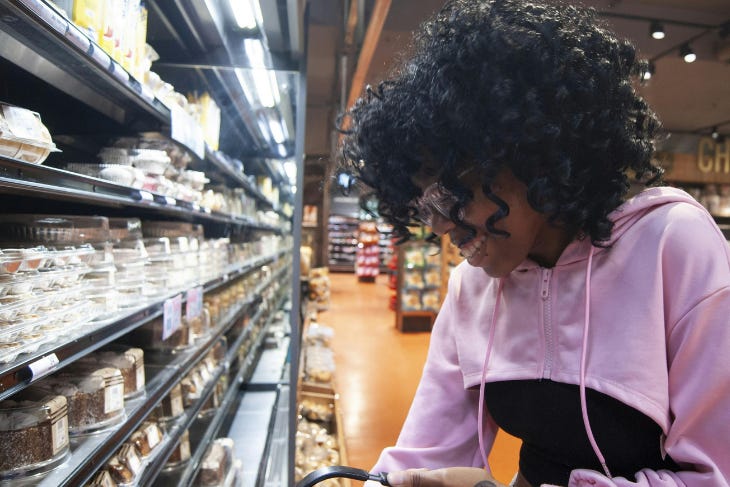
It’s Friday, November 28, 2025, and time for your Democracy in the States: Weekly Roundup. If you spent the last few days cooking, eating, or shopping, you probably also noticed how far your dollars do (or don’t) stretch right now.
From turkey prices in Iowa to tariffs in Kansas and Black Friday shoppers in Nevada, cost-of-living pressures are shaping how people experience the economy on the ground, even as states fight over elections, immigration enforcement, and the future of public education. Here’s how it all connects this week.
Holiday prices and pocketbook politics
Even the Thanksgiving table is a snapshot of the economy. In Iowa, Farm Bureau estimates say the traditional meal is about 5% cheaper than last year, thanks to lower prices for turkey and dinner rolls. Fresh vegetables and dairy cost more, while farmers face low crop prices, high input costs and tight margins.
In Kansas, tariffs are raising food costs for consumers and producers. In Maryland, state analysts say residents can expect to pay more for Thanksgiving groceries, with federal data showing higher prices for food at home compared with last fall.
KANSAS: Tariffs are increasing the cost of Thanksgiving staples in Kansas and adding financial pressure for farmers.
IOWA: Farm Bureau estimates show Iowa’s Thanksgiving meal is about 5% cheaper than last year, even as fresh vegetables and dairy cost more and farmers face low crop prices and high input costs.
MARYLAND: State officials say Marylanders will pay more for Thanksgiving groceries this year, with the “food at home” index up over the past 12 months.
Bills, wages, and basic services
Beyond the holiday table, people are juggling rent, medical costs, utility bills and heating as inflation and higher rates linger. Utility regulators and lawmakers are making choices that will shape energy costs as winter hits.
NEVADA: Nevada retailers report that holiday spending is expected to rise in dollar terms, but say shoppers are more price-conscious as they navigate inflation, interest rates and credit card debt.
MISSOURI: Kansas City workers describe cutting back on groceries, health care and other expenses as paychecks fall short of housing and other basic costs.
ALABAMA: Alabama Power has asked regulators to delay a planned rate increase tied to a new gas plant after public outcry over higher bills.
RHODE ISLAND: Rhode Island Energy is seeking to raise fixed charges on customers’ electric and gas bills, increasing the amount paid before usage.
MAINE: U.S. Rep. Jared Golden is urging federal officials to quickly release home-heating assistance that was delayed by the shutdown so Maine households can access help.
OREGON: Gov. Tina Kotek declared a state of emergency after a leak in a BP pipeline that supplies about 90% of Oregon’s transportation fuel, citing possible supply disruptions.
Budgets, jobs, and rural economies
Plant closures, wage rules and budget gaps are forcing states to rethink how they support workers and balance budgets.
NEBRASKA: Nebraska officials are weighing options after a Tyson meatpacking plant closed, costing hundreds of jobs and leaving local communities searching for new employers.
NATIONAL: Farmworkers in several states have sued over Trump administration changes to foreign guest worker wages, arguing the rules unlawfully suppress pay for U.S. and migrant workers.
IDAHO: Idaho budget officials say the state may have to close a gap of $600 million to $1 billion next year and are looking at options to balance the budget.
Rules of the game: ballots, maps, and power shifts
Even as people focus on holiday budgets, states are quietly shaping the rules for 2026 and beyond: how ballots are cast and counted, who draws the maps, and how national political shocks land at the local level. This week brings a mix of reassurance and alarm.
New Mexico offers a bit of good news for democracy mechanics. A nonpartisan observer group reviewing the state’s November local elections found that voting went smoothly, with polls opening and closing on time and few problems.However, the group also pointed out that poll workers need better training, especially on language access, signs, and helping people with disabilities.This shows that even well-run elections can still improve.
MONTANA: County officials report that a new law requiring voters to write their birth year on ballot envelopes has raised election costs, added staff work and led to some ballots being rejected.
COLORADO: A bipartisan group of county clerks asked Gov. Jared Polis to deny a Trump administration request to transfer former clerk Tina Peters, convicted in an election systems breach, from state to federal custody.
NORTH CAROLINA: The State Board of Elections voted to join a new program using a federal database to check citizenship status on voter rolls.
ALABAMA: A prefiled bill would cap the cost of the statewide voter list and limit release of personal details such as phone numbers and email addresses.
GEORGIA: A judge dismissed Fulton County’s election interference case against Trump and several allies, ending that state prosecution related to the 2020 election.
Pressure points and power plays
Besides the details of running elections, fights over redistricting, recent resignations, and new polls are raising political pressure for leaders at both the state and national levels.
INDIANA: Indiana House Republicans will reconvene Dec. 1 to consider redrawing the state’s congressional map after Trump called for more GOP-leaning districts; the Senate plans to meet the week of Dec. 8.
INDIANA: Senate President Pro Tem Rodric Bray faces pressure over whether to back a map that could shift Indiana’s U.S. House delegation from a 7–2 to a 9–0 Republican split.
UTAH: Utah Republican lawmakers voted to appeal a lower court ruling on the state’s congressional map to the Utah Supreme Court in a case brought by voting-rights advocates.
GEORGIA: U.S. Rep. Marjorie Taylor Greene’s resignation could set off “dominos” in Georgia politics, including special elections and shifts in who holds state-level offices.
NATIONAL: A new survey finds Trump shedding support among Latino voters compared with previous election cycles.
NATIONAL: Democratic officials who say Trump threatened them over a campaign video now report they are under FBI investigation.
WEST VIRGINIA: After Trump requested 500 additional National Guard troops for Washington, D.C., U.S. Sen. Shelley Moore Capito said West Virginia Guard members should remain there only on a voluntary basis and that the decision rests with the governor.
Who watches the watchdogs?
Apart from elections, states are discussing how open their legislatures should be and how much power independent groups should have to oversee public spending and prevent corruption.
NEVADA: Lawmakers and advocates in Nevada describe the recent legislative session as “shambolic,” saying rushed procedures and last-minute deals limited public input on major bills.
NEW JERSEY: A New Jersey bill would strip several enforcement powers from the state comptroller’s office, which audits agencies and investigates waste, fraud and corruption.
Borders, classrooms, and the kids caught in between
From tuition fights to social media bans and AI in school hallways, states are making decisions that shape which kids feel welcome, what data government holds on their families, and how they grow up online and in the classroom. Immigration and education policy are both sketching a picture of who gets a future and on what terms.
Immigration, data, and who counts
State and federal officials are clashing over who can access in-state tuition, how much personal data Washington can demand, and how far local communities will go to shield families from enforcement.
CALIFORNIA: The Trump administration has sued California over its policy allowing some students without legal status to receive in-state tuition and financial aid.
NATIONAL: The Department of Homeland Security is asking states to provide driver’s license records to help build a federal citizenship database.
LOUISIANA: Child care workers in Louisiana are building networks to warn families about ICE activity and connect them with legal and financial support.
TENNESSEE: HUD Secretary Schott Turner visited Memphis to launch a crime hotline for public housing residents and, in his remarks, pointed to immigrants without permanent legal status.
IOWA: Civil rights groups filed another lawsuit against an Iowa jail over a Justice Department policy they say results in immigrants being detained without bond.
CONNECTICUT: Connecticut lawmakers strengthened state data protections after federal requests for information, aiming to limit how agencies can share residents’ personal data for immigration enforcement.
Education, technology, and who decides
The Trump administration’s bid to dismantle the U.S. Department of Education is colliding with state-level fights over AI surveillance in schools, kids’ access to social media, and who has final say over classroom rules.
NATIONAL: A coalition of unions, school districts, and a disability-rights group expanded its lawsuit to block Trump’s plan to dismantle the U.S. Department of Education and shift duties to other agencies, saying the transfers would harm students and may be unlawful.
KANSAS: Kansas officials are moving toward awarding a $10 million contract for an AI system that uses security cameras to detect guns in public schools, after lawmakers funded the program and three companies submitted bids under a statewide installation mandate.
VIRGINIA: Del. Michelle Maldonado plans to introduce bills to limit what chatbots can say in therapeutic settings, set guardrails on chatbot use for Virginians under 18, and rework an earlier AI bill that Gov. Glenn Youngkin vetoed.
FLORIDA: An Eleventh Circuit panel lifted a preliminary injunction on Florida’s 2024 social media law, allowing the state to enforce a ban on accounts for users under 14 and require parental consent for 14- and 15-year-olds while the case proceeds.
WEST VIRGINIA: West Virginia’s state school board has asked the state Supreme Court to rule on a new law giving legislators final authority over education rules, drawing support from PTA and school groups and opposition from a conservative think tank.
In Case You Missed It
“America is a Bear in a Trap,” By Danielle Allen, The Renovator, Nov. 25, 2025
“WATCH: The Renovator Discusses Universal Childcare in New Mexico,” By Danielle Allen, Anne-Marie Slaughter, Angela Rachidi, and Patrick T. Brown, Nov. 23, 2025
“The Past Waits for the Future in Gettysburg,” By Michael Gibson, Nov. 22, 2025
“Meta’s Scam Monopoly, the AI Race, and ‘Founder Mode,’” By Aidan Fitzsimons, Nov. 25, 2025